Aviation management is one of the most exciting and fast‑growing fields in the world. The success of every airline, airport, and aviation organisation depends on talented professionals who combine leadership, technical knowledge, and innovation. Learning essential skills for aviation management students has become the key to excelling in this competitive global industry.
Why Aviation Management Skills Matter in 2025
The aviation sector is evolving rapidly. Technology has transformed everything from flight operation systems to passenger check‑ins. Employers now expect professionals who can lead confidently, manage crises, and use digital tools efficiently.
Developing strong practical skills ensures students are ready to grow into future aviation leaders.
Core Technical Skills for Aviation Management Students
🔹 Technical Skills for the Aviation Industry
1. Understanding of Aviation Operations
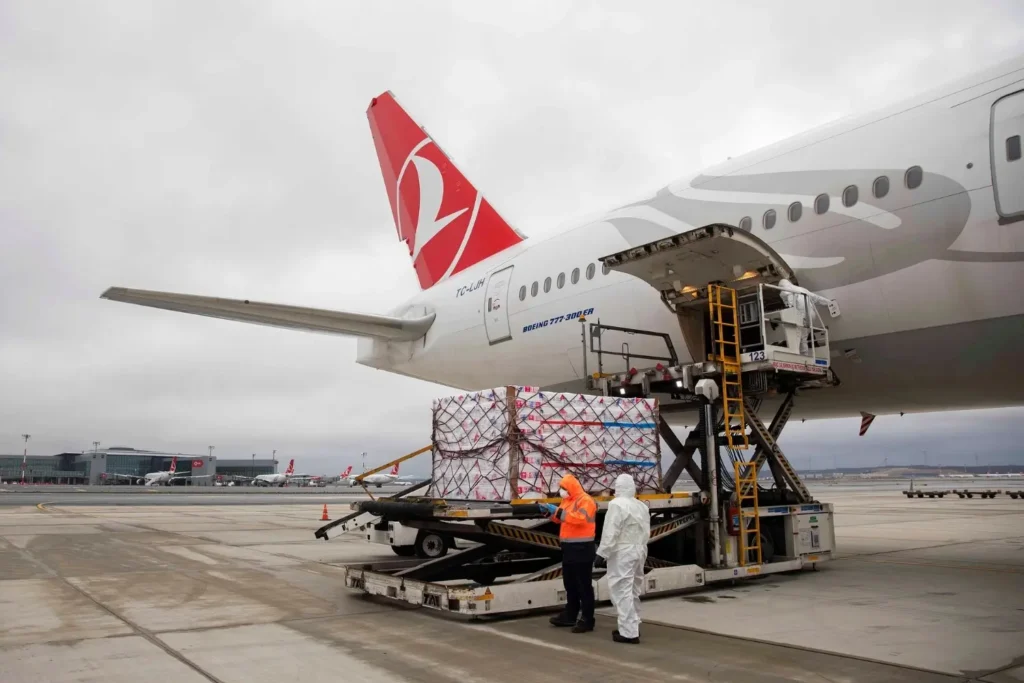
Every aviation manager must know how airports and airlines function. Students should understand ground handling, cargo, ticketing, safety, and customer service operations. This foundation helps them coordinate departments effectively and maintain smooth performance under pressure.
2. Aviation Technology and Digital Skills
Today’s aviation relies on technology. Students must learn airport management software, flight scheduling systems, biometric check‑ins, and data tracking tools. They also need familiarity with AI, automation, and cybersecurity in airline operations.
Digital literacy allows future managers to enhance efficiency and safety.
3. Data Analysis and Research Abilities
Data helps airlines operate efficiently. Students who can interpret data can make informed decisions about flight timing, maintenance, and passenger satisfaction. Tools such as Excel, Power BI, or Python can support their analytical skills and foster smart management.
🔹 Essential Soft Skills That Drive Success
1. Leadership and Decision‑Making Skills
Aviation management requires quick thinking and steady leadership. Strong leaders make calm decisions during operational disruptions. Leadership also helps motivate teams and improve coordination during challenges such as flight delays or emergencies.
2. Communication and Collaboration
Communication connects every part of aviation. Clear messages between ground staff, pilots, and passengers keep operations running safely. Aviation management students should practice writing reports, conducting meetings, and sharing updates effectively.
3. Problem‑Solving and Crisis Management
Aviation is a time‑sensitive industry where small issues can impact hundreds of passengers. Students must prepare to manage crises such as weather disruptions or technical failures. Training simulations and internships can help strengthen these abilities.
4. Attention to Detail
Every action in aviation demands accuracy. From ticket processing to aircraft scheduling, even small mistakes can cause big delays. Detail‑oriented students can maintain safety, quality, and efficiency across all operations.
5. Cultural Awareness and Global Etiquette
Airlines serve passengers across the world. Understanding global etiquette and respecting cultural differences improves communication and customer experience. Aviation management programs now include cultural training and international workshops.
🔹 Emerging and Future‑Focused Skills
1. Sustainability and Green Aviation Awareness
Modern airlines implement eco‑friendly solutions to reduce emissions. Students should learn about green operations, fuel efficiency, and waste management. Sustainable management is a growing area in aviation careers.
2. AI, Robotics, and Automation in Aviation
AI and robotics now influence aircraft inspections, flight route planning, and baggage control. Students must update their knowledge regularly to keep pace with innovation. Having technical curiosity increases career opportunities in advanced aviation operations.
3. Cybersecurity Awareness
As digital systems grow, so does the need for security. Aviation management students should understand how to protect passenger data, flight information, and network integrity. Knowledge of cybersecurity will soon be a core requirement in aviation roles.
🔹 Professional Development and Continuous Learning
1. Internship Experience
Internships help students build real‑world confidence. Working at airports or airline offices teaches time management, teamwork, and decision‑making. It also helps them apply classroom learning to live operations.
2. Certification and Specialised Training
Students can earn certifications in areas like Airport Operations, Aviation Safety, or Customer Service. Short courses by IATA or DGCA enhance career growth and open international job opportunities.
3. Networking and Industry Awareness
Networking with aviation professionals through events, seminars, or LinkedIn groups helps students explore career trends. Building connections often leads to internships, mentorships, or job placements.
🔹 Personal Qualities That Set Aviation Students Apart
1. Emotional Intelligence
Aviation management is people‑oriented. Understanding emotions, showing empathy, and staying calm even during heavy workloads are signs of maturity. Emotional intelligence ensures smooth cooperation among global teams.
2. Adaptability and Resilience
The industry changes quickly due to technology, regulations, and customer expectations. Flexible students who adapt to change can handle uncertainty and grow faster in their careers.
How to Build These Aviation Skills Effectively
Students can develop these skills through constant learning. Here are practical ways:
- Join aviation internships in airports or travel firms.
- Attend industry webinars, training programs, and expos.
- Use simulation tools for hands‑on learning.
- Engage in student aviation clubs or leadership projects.
- Take short online certifications to stay updated.
These habits transform theoretical knowledge into professional strength.