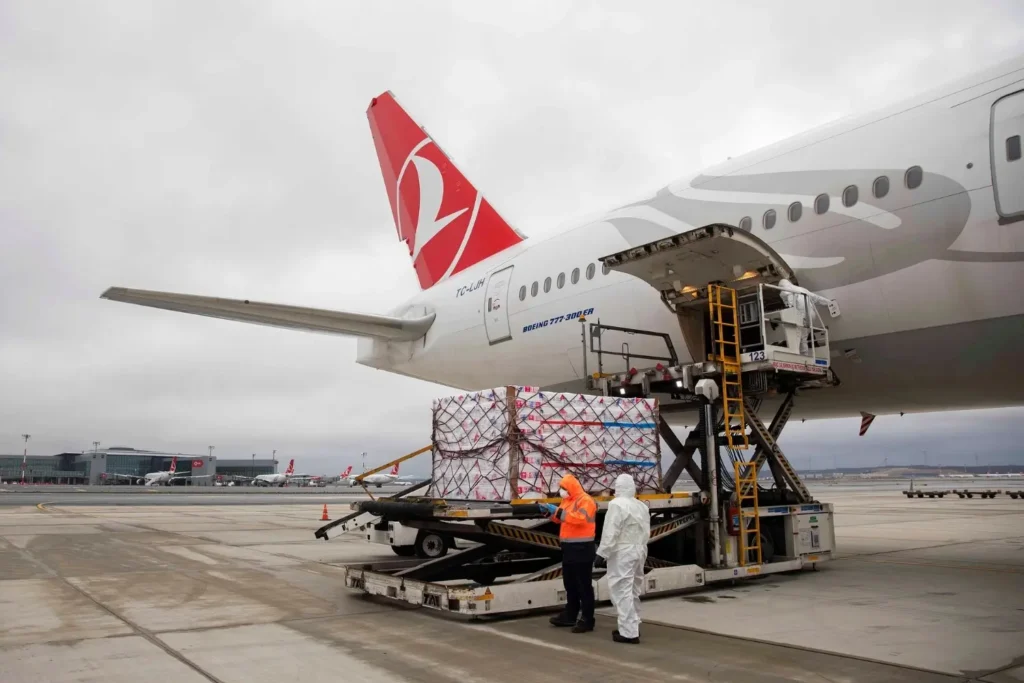
Aviation skills that blend technical expertise with powerful soft skills are the secret weapon that helps you stand out and get hired in the modern aviation industry. Airlines, airports, and aerospace companies now prioritize candidates who can operate safely, communicate clearly, and adapt to fast‑changing, tech‑driven operations.
What Are Aviation Skills in Today’s Job Market?
Aviation skills are the technical, operational, and human capabilities required to work safely and efficiently in roles like pilot, cabin crew, ground staff, engineer, dispatcher, and aviation manager. These skills cover aircraft and systems knowledge, safety and regulatory awareness, communication, teamwork, problem‑solving, and emotional intelligence tailored to high‑pressure aviation environments.
Employers don’t just look at degrees; they look at how strong and job‑ready your aviation skills are when screening CVs and interviewing candidates. That’s why building and showcasing these skills can instantly boost your chances of landing interviews and offers.
Why Aviation Skills Decide Who Gets Hired
Recruiters across airlines and airports increasingly prioritize skills over qualifications alone when choosing who moves to the next hiring stage. Candidates who demonstrate real, applied aviation skills are seen as easier to train, safer in operations, and better at delivering a high‑quality passenger experience.
Strong aviation skills also signal that you understand the culture of safety, punctuality, and service that defines aviation as a business. In a competitive job market, these skills are often the difference between “Thank you for applying” and “Welcome on board.”
1. Core Technical Skills Recruiters Expect
Technical skills show employers you can understand and support complex operations where safety is critical. Even for non‑engineering roles, basic technical aviation skills make you more credible and help you communicate effectively with pilots, maintenance teams, and air traffic controllers.
Key technical aviation skills include:
- Understanding aircraft systems: engines, avionics, navigation and basic hydraulics relevant to your target role.
- Knowledge of navigation concepts, meteorology basics, and flight planning principles.
- Familiarity with safety management systems, maintenance processes, and operational procedures.
- Digital literacy with modern aviation software, scheduling tools, and data‑driven platforms.
Developing these aviation skills through diplomas, simulator time, and specialized courses shows recruiters you’re serious about safety and performance.
2. Communication Skills That Protect Safety and Service
Communication skills are non‑negotiable, because miscommunication can damage both safety and customer experience. Employers favor candidates who can speak clearly, listen actively, and adapt their communication style in stressful, multicultural situations.
Important communication skills include:
- Clear, concise verbal communication using standard aviation terminology and protocols.
- Professional written communication for reports, logs, emails, and safety documents.
- Active listening and clarification, especially in cockpit, cabin, and control‑room environments.
- Multilingual ability, which is a strong advantage in international airlines and hub airports.
Showcasing these aviation skills on your CV and in interviews reassures recruiters that you won’t let a misunderstanding turn into a safety event or a customer complaint.
3. Teamwork Skills for Smooth Operations
Teamwork skills are critical because flight operations rely on seamless collaboration between pilots, cabin crew, ground handlers, engineers, and controllers. Recruiters look for people who can blend into diverse crews, respect hierarchy, and still contribute ideas that improve safety and efficiency.
Key teamwork aviation skills include:
- Coordinating tasks with crew members, dispatch, and ground staff to keep operations on schedule.
- Maintaining situational awareness in a team environment, understanding how your actions affect others.
- Supporting colleagues under pressure during delays, disruptions, or emergencies.
- Using digital collaboration tools effectively for remote briefings and hybrid operations.
Highlighting teamwork skills shows that you’re not just a solo high performer—you’re someone who can keep the entire operation running smoothly.
4. Problem‑Solving Skills and Smart Decision‑Making
Modern airlines value problem‑solving skills because everyday operations include weather issues, technical glitches, and passenger challenges. Strong decision‑making skills show you can analyze situations quickly and choose safe, practical solutions.
Essential problem‑solving skills include:
- Rapid risk assessment during unexpected events, such as diversions or maintenance findings.
- Analytical thinking to investigate incidents, delays, and operational inefficiencies.
- Ethical judgment balancing commercial pressures with safety and passenger welfare.
- Using digital tools and data dashboards to support, not replace, human decisions.
When you share concrete examples of these aviation skills in interviews, recruiters see you as someone they can trust in critical situations.
5. Customer Service Skills and Emotional Intelligence
Customer‑facing skills are vital for cabin crew, ground staff, and airport customer service roles. Emotional intelligence skills help you manage stressed passengers, diverse cultures, and high expectations without losing composure.
Important customer service aviation skills include:
- Empathy and patience when handling delays, complaints, or nervous flyers.
- Conflict resolution skills to de‑escalate tension while enforcing policies.
- Professional grooming, positive body language, and polished interpersonal etiquette.
- Cultural sensitivity and inclusiveness when serving global passengers.
These aviation skills are often tested through role‑play assessments and scenario questions during recruitment, especially for cabin crew and front‑line staff.
6. Safety and Compliance Skills: Your Biggest Differentiator
Safety‑focused skills sit at the heart of every hiring decision in aviation. Candidates with strong safety and compliance skills signal that they can protect passengers, crews, and assets while meeting strict regulations.
Core safety skills include:
- Knowledge of international and local regulations, including safety and security standards.
- Strict adherence to standard operating procedures, checklists, and reporting protocols.
- Participation in safety management systems and proactive safety reporting.
- Risk awareness and hazard identification in everyday tasks.
Emphasizing these skills on your CV shows you understand aviation is not just about travel—it’s about responsibility.
7. Adaptability Skills for a Fast‑Changing Industry
Adaptability skills have become crucial as airlines handle evolving technology, new regulations, and fluctuating demand. Recruiters increasingly test resilience and flexibility aviation skills because aviation professionals must perform reliably during irregular operations.
Valuable adaptability skills include:
- Flexibility with rosters, routes, and changing operational requirements.
- Emotional resilience in dealing with long hours, time zones, and disruptions.
- Openness to learning new systems, procedures, and sustainability initiatives.
- Maintaining a positive attitude under pressure in front of passengers and colleagues.
These skills help you thrive in an industry where no two days look the same.
8. Leadership Skills Even at Entry Level
Leadership skills are not only for captains and senior managers; airlines look for future leaders at entry level too. Demonstrating management aviation skills can position you for fast promotion in crew supervision, safety oversight, or project roles.
Key leadership skills include:
- Guiding teams through change such as new technology or revised procedures.
- Motivating colleagues while maintaining discipline and compliance.
- Delegating tasks clearly and managing workload during peak periods.
- Championing innovation in digital tools, sustainability, and customer experience.
Mentioning leadership aviation skills backed by real examples makes you stand out as a long‑term asset, not just a short‑term hire.
9. Digital Skills and Future‑Ready Competencies
Future‑oriented skills are increasingly important as the industry adopts AI, predictive maintenance, and advanced simulation. Employers want candidates with digital skills who can work alongside new technologies instead of resisting them.
Useful future‑ready include:
- Comfort with data‑driven systems for planning, crew management, and real‑time monitoring.
- Basic understanding of AI, automation, and predictive analytics in aviation operations.
- Proficiency in online learning platforms and virtual training tools.
- Awareness of sustainability and green aviation initiatives.
Adding these skills to your profile positions you as someone ready for where aviation is headed, not just where it’s been.
How to Build Aviation Skills Before You’re Hired
The good news is you can start building aviation skills before your first airline job, making your CV far more attractive. The smartest approach combines formal training with practical experience that shows your skills in action.
Effective ways to develop skills include:
- Enrolling in aviation academies, flight schools, or airport‑specific diploma programs.
- Completing short courses on safety, communication, soft skills, or digital tools.
- Gaining internships or volunteering experience at airports, travel agencies, or aviation events.
- Practicing language and customer service skills in hospitality or tourism roles.
Every certificate, internship, and real‑world example adds weight to your skills section and gets recruiters’ attention.
How to Showcase Aviation Skills on Your CV and in Interviews
To actually get hired, you must highlight your aviation skills clearly on your CV and prove them in interviews. Recruiters scan applications quickly, so your most relevant skills must be easy to find and backed by evidence.
Practical tips to showcase aviation skills:
- Create a dedicated Key Skills section featuring both technical and soft skills.
- Use measurable achievements—safety records, on‑time performance, customer feedback—to prove your skills.
- Prepare STAR (Situation–Task–Action–Result) stories that show you using skills to solve problems.
- Mirror the skills listed in the Aviation job description using aviation‑specific language.
This turns your CV from a generic document into a targeted pitch that speaks recruiters’ language.
Conclusion
If you want recruiters to say “You’re hired,” focus on building a balanced portfolio of skills—technical knowledge, safety awareness, communication, teamwork, adaptability, and emotional intelligence. By deliberately developing and clearly showcasing these aviation skills, you position yourself as a high‑value candidate ready to contribute to safe, efficient, and customer‑centric operations from day one.