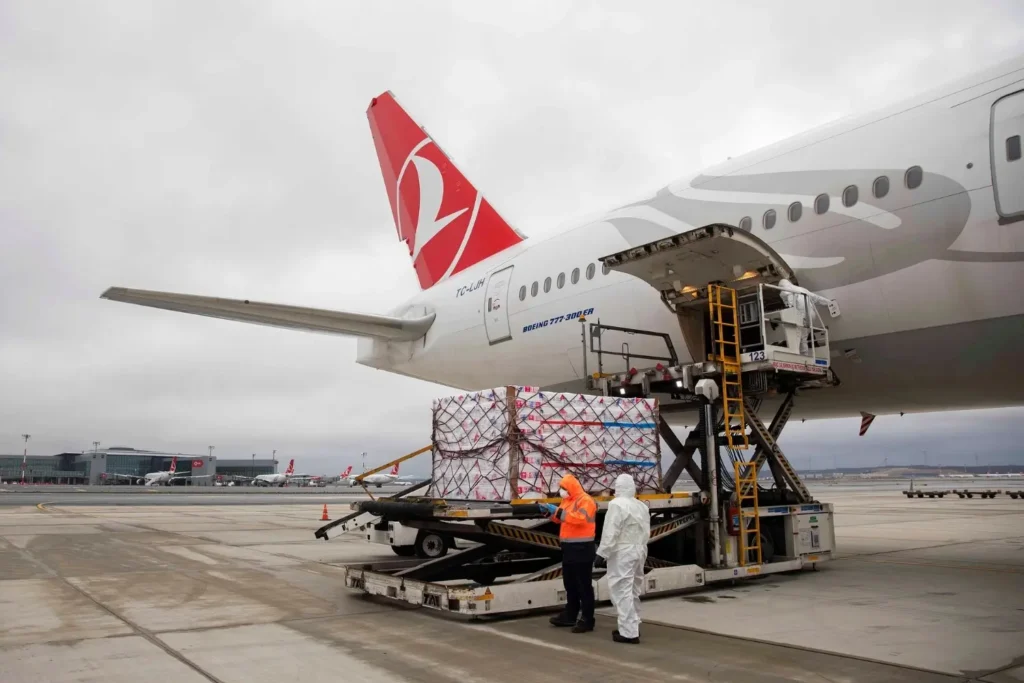
The aviation industry continues to recover and expand after recent global disruptions, driving steady demand for skilled frontline staff. An Airport Ground Staff Course prepares you for roles that keep airports running: check-in, boarding assistance, baggage handling coordination, customer service, and safety compliance. If you enjoy fast-paced environments, interacting with people from diverse backgrounds, and a career with clear progression paths, this course is a strong choice.
Who should take this Airport Ground Staff Course?
- Recent school leavers and diploma holders exploring careers in aviation.
- Hospitality, Travel & Tourism, or customer-service professionals seeking an industry transition.
- Job seekers targeting stable roles with entry-level openings and room to grow.
- People comfortable with shift work, strict procedures, and high-stress situations.
Key topics covered in the course
- Aviation basics: airport layout, airline operations, ground handling terminology.
- Passenger handling: check-in procedures, boarding protocols, special-needs assistance.
- Baggage handling: tagging, tracking, automated systems, lost-and-found procedures.
- Safety & security: CCTV awareness, access control, behaviour detection basics, airport security regulations.
- Regulations & documentation: DGCA/ICAO fundamentals, passports, visas, customs basics.
- Communication & customer service: telephone etiquette, conflict de-escalation, multilingual tips.
- Computer systems: common airline reservation systems (PSS), departure control, and basic MS Office.
- Soft skills & grooming: professional appearance, time management, teamwork.
- Practical training & internships: airport simulations, role-plays, and on-site internships with airlines or ground handlers.
Course formats and durations
- Short certificate courses: 4–8 weeks, focused on fundamentals and interview preparation.
- Diploma programs: 3–6 months, including extended practical sessions and internships.
- Extended programs with specialisation: 6–12 months, add modules such as cargo operations or airport operations management.
Choose based on your timeline, budget, and whether you need an intensive job-ready course or deeper operational knowledge.
Certification and recognition
- Look for courses that offer a certificate aligned with industry standards and include a placement-assistance component.
- Recognition by aviation training bodies or partnerships with airlines/ground-handling companies increases hiring chances.
- Practical internships and experience letters often matter more to recruiters than the course name alone.
Career prospects and salary expectations in India (2026)
- Typical entry roles: ground staff, check-in agent, gate agent, customer service executive, ramp agent.
- Entry-level salaries: vary by city and employer; expect conservative ranges that improve with experience, night/shift allowances, and airport-specific perks.
- Growth path: senior ground staff → shift supervisor → station manager or transition to airline sales, cargo, or airport operations.
- Demand hotspots: major airports (Delhi, Mumbai, Bengaluru, Chennai, Hyderabad) and growing regional airports — Kerala’s airports also show steady hiring for trained personnel.
How to choose the right Airport Ground Staff Course
- Industry tie-ups: prefer institutes with airline or ground-handler partnerships and active placement records.
- Curriculum balance: theoretical foundations plus realistic practical training and mock interviews.
- Faculty experience: trainers with current airport/airline backgrounds.
- Batch size and practical exposure: Smaller batches and on-site visits are better.
- Placement support: resume help, interview coaching, guaranteed aviation internships, or campus recruitment drives.
- Reviews and alumni outcomes: ask for contactable alumni and recent placement statistics.
1. Application process and entry requirements
- Typical eligibility: 10+2 or equivalent; some institutes accept graduates or diploma holders.
- Documents needed: ID, educational certificates, photos, and sometimes a medical fitness certificate.
- Selection: merit-based or interview; some institutes conduct aptitude and English proficiency checks.
- Start dates: rolling admissions, with frequent batches—check local training centres in Kanayannur, Kerala, for schedules.
2. Preparing before joining
- Improve English and a second language if possible (Arabic, French, or any regional language used by airlines).
- Practice basic computer skills and phone etiquette.
- Familiarise yourself with airport announcements, common abbreviations (PAX, DCS, ETA/ETD), and airline jargon.
- Get physically prepared: long shifts, standing, and handling luggage may be part of the job.
3. What to expect during training
- Classroom lessons, role-playing check-in and boarding scenarios, simulated ramp exercises, and customer-service drills.
- Assessments: written tests, practical evaluations, and mock interviews.
- Internship: short attachments at airports or with ground-handling companies to gain real exposure.
4. Costs and financing
- Fees vary widely: short certificate courses cost less; diplomas and extended programs cost more and may include placement fees.
- Ask about refund policies, instalment plans, and any hiring or placement fees.
- Check for government schemes or local skill development programs that may subsidise training.
5. Red flags to avoid
- Institutes promising guaranteed high salaries or airline jobs without transparent records.
- Lack of industry tie-ups, no practical training, or vague placement data.
- High upfront placement fees or unclear refund policies.
6. Local angle — why train at CAREER Campus (Kanayannur, Kerala)
- Proximity to Kerala’s growing air travel market and access to regional recruitment drives.
- Look for hands-on training, local airport visits, and placement assistance tailored to Kerala students.
- Being trained locally helps with region-specific language skills and employer networking.
7. Quick checklist before enrolling
- Verify course curriculum and hours of practical training.
- Confirm industry linkages and recent placement stats.
- Ask about the sample class, faculty background, and batch size.
- Clarify total cost, refund, and placement policies.
- Ensure internship opportunities include supervised airport exposure.
Final advice
An Airport Ground Staff Course is a practical gateway into aviation with clear entry points and career pathways. In 2026, choose a program that mixes up-to-date regulations, hands-on training, and strong industry connections. Focus on courses that build both technical competence and the soft skills recruiters value — professionalism, communication, and customer focus.
🌐 www.careercampusedu.com
📍 Kochi | Calicut