Aviation Course BBA vs Diploma Which One is Better

Kerala’s aviation boom, with Cochin Airport handling 10+ million passengers annually and new cargo hubs, makes aviation courses a smart career bet. But Aviation Course BBA (3 years) or Diploma (6-12 months): which unlocks better jobs, salaries, and growth? This in-depth guide covers everything: syllabus, eligibility, costs, Kerala-specific opportunities, ROI calculations, and expert tips. Perfect for Kerala students eyeing airport management or ground handling roles. Understanding Aviation Course BBA: In-Depth Overview The BBA in Aviation Management is a UGC-approved degree program that focuses on business acumen for aviation leaders. Detailed Eligibility & Admission Semester-Wise Curriculum Highlights Hands-On: 6-month internships at Kochi/Calicut Airports. Aviation Diploma Course: Skill-Focused Fast-Track Diploma in Aviation Hospitality & Airport Management emphasises IATA-certified practical training. Eligibility & Quick Start Module Breakdown Certification: IATA/FAI global badges for instant employability. Head-to-Head Comparison: Aviation Course BBA vs Diploma Aspect BBA Aviation Course Diploma Aviation Course Duration 3 years full-time 6-12 months part/full-time Total Fees (Kerala) ₹2.5-6 lakhs (incl. hostel) ₹60k-1 lakhs Curriculum Depth Theoretical + Strategic 80% Practical/Hands-On Internships Mandatory 6 months 1-3 months optional Certifications UGC Degree IATA/UDIATA + Skill India ROI Timeline 3-5 years (higher long-term) 6-18 months (quick payback Example: BBA grad manages 50 staff; Diploma holder trains as ticketing exec. Pros & Cons with Real-World Examples BBA Pros Diploma Pros Kerala Stat: 5,000+ aviation jobs opened 2025-26 (Kerala Tourism data). Learn More: Career Paths, Salaries & Demand in Kerala Post-BBA Roles & Salaries (2026 Averages) Post-Diploma Roles & Salaries Growth Path: Diploma → BBA lateral (save 1 year) → MBA Aviation (₹20+ LPA). Kerala Hotspots: CIAL Kochi (2,000 hires/yr), Kannur Int’l, Trivandrum. Which Aviation Course is Right for You? Decision Framework Calculator: Diploma ROI = Salary – Fees / Months = ₹3L/year profit in Year 1. FAQs: Aviation Course BBA vs Diploma Q: Can I do BBA after a diploma?A: Yes, lateral entry in Year 2 at institutes like Career Campus. Q: Government Jobs Possible?A: Both qualify for AAI Junior Executive (₹40k+ starting). Q: Online Aviation Courses Available?A: No, aviation courses are not fully available online. Aviation training requires grooming, personality development, practical sessions, discipline, and punctuality training that cannot be effectively taught online. For a successful airport or airline career, classroom-based practical training is essential. Q: Placement Rates in Kerala?A: 85-95% for both from the top academies. Success Stories from Kerala Students Start Your Aviation Course Journey Now Career Campus Academy, Kochi, leads with 98% placement in aviation courses. BBA or Diploma—choose wisely!
Airport Jobs for Freshers in Kerala – Eligibility, Salary & Growth

Kerala’s aviation sector is booming, thanks to Cochin International Airport (COK) – India’s first PPP airport – handling millions of passengers yearly. For freshers eyeing airport jobs in Kerala, this is prime time. From ground staff to customer service roles, entry-level positions offer quick entry, competitive pay, and rapid growth. If you’re a Kerala graduate or diploma holder, discover eligibility, salary ranges, and career paths right here. Top Airport Jobs for Freshers in Kerala Airports need fresh talent for operations, security, and passenger services. Here’s a rundown of beginner-friendly roles: These roles suit 10+2, diploma, or degree holders in hospitality, aviation, or related fields. Eligibility Criteria for Airport Jobs in Kerala Most airport jobs for freshers in Kerala have straightforward requirements. No prior experience needed for many – training is provided. Apply via airline websites, Naukri.com, or airport career portals. Cochin Airport often posts openings on cial.aero. Salary Expectations for Freshers Pay is attractive, with Kerala airport jobs offering tax-free perks like free flights and meals. Role Starting Salary (per month) Annual CTC (with perks) Ground Staff ₹15,000 – ₹25,000 ₹2.5 – 4 Lakhs Ramp Agent ₹18,000 – ₹28,000 ₹3 – 4.5 Lakhs Security Screener ₹20,000 – ₹30,000 ₹3.5 – 5 Lakhs Cabin Crew ₹25,000 – ₹40,000 ₹4 – 6 Lakhs Ticketing Agent ₹16,000 – ₹26,000 ₹2.8 – 4.2 Lakhs Salaries rise 20-30% in 1-2 years. Night shifts add allowances. Career Growth and Opportunities Start as a fresher, climb fast in Kerala’s aviation hub. Promotions happen via internal training. Kerala’s tourism boom (2 crore+ annual visitors at COK) fuels 10-15% yearly job growth. Upskill with courses from IIAEM or local aviation schools for an edge. How to Land Your First Airport Job in Kerala Kerala’s airport jobs blend stability, travel perks, and growth – perfect for freshers building aviation careers. Ready to apply? Share your qualifications in the comments!
Airport Ground Staff to Cabin Crew Job Careers Kerala 2026

Cabin crew job awaits Kerala freshers at Cochin International Airport (CIAL)—no degrees needed. Start in ground operations and advance to cabin crew with IndiGo, SpiceJet, and Air India Express. Enjoy rapid growth, global travel perks, and salaries doubling in 2 years amid India’s 10% annual aviation boom. What Ground Crew Roles Entail Ground crew manages check-in counters, boarding gates, baggage handling, and ramp coordination for 100+ daily Kochi flights. Responsibilities include verifying passports, resolving delays, loading 50kg luggage carts, and ensuring aircraft turnaround in under 45 minutes.Kerala hubs like CIAL hire 500+ freshers yearly via walk-ins; no experience needed beyond 10+2, but multilingual skills (Malayalam/English/Hindi) boost chances by 40%. Entry pay hits ₹25,000/month average, with overtime pushing ₹35,000 during monsoons. Perks cover EPF, medical insurance for families, and 30% flight discounts on 50+ routes. Shifts rotate 6-8 hours, including nights, building stamina for aviation’s 24/7 pace. Daily tasks sharpen logistics skills transferable to cabin crew job roles. Skills to Land Your First Gig Cabin Crew Job Transition Path Cabincrew job transition takes 6-18 months: Ground experience waives 50% training, as airlines value SOP familiarity—IndiGo promotes 30% internally. Cabin crew handles safety demos, meal service for 180 passengers, medical emergencies, and VIP protocols on 5-hour Kochi-Dubai runs.Eligibility: Age 18-27, height 157cm+/170cm+, BMI 20-24, clear skin (no tattoos), swim 25m. 6-week training (₹50,000) teaches ditching, fire-fighting, and 100+ FAQs. Freshers earn a base of ₹50,000 + ₹20,000 flying allowance (tax-free abroad), plus 12 layover nights/year in Dubai/Bangkok. Kerala women dominate 60% hires; success tip: Volunteer for peak shifts to log 500+ passenger interactions. Ground pros often fast-track to this coveted cabin crew job. Cabin Crew Job Salary and Growth Tips for Kerala Freshers Target CIAL job fairs (quarterly at Kochi), IndiGo careers portal (200 hires/month), and LinkedIn (follow 5K+ Kerala aviation pros). Certs like IATA Fares/Ticketing (₹15,000) cut application numbers in half. Practice grooming: Neat hair, polished shoes, 30-min walks daily. Network via WhatsApp groups (search “Kochi ground staff jobs”); 25% hires from referrals. Avoid scams—official channels only. Track applications in Excel; follow up in 7 days. Post-COVID, hybrid fitness (yoga + gym) preps for medicals. Tailor your resume with “cabincrew job” aspirations to stand out. Why 2026 is Prime Time for Cabin Crew Job Cochin Airport’s ₹5,000Cr expansion adds 20M passengers/year, creating 2,000 entry jobs amid UDAN scheme’s 50 new Kerala routes. IndiGo’s 500-plane order and Air India’s Dubai focus hire 10,000 freshers nationally—Kerala’s 15% share. eVTOL tests at Kochi by 2027 open vertiport roles. Enter now: 5 lakh aviation jobs by 2030, with ground-to-cabincrew job paths securing financial freedom under 25. Enrol at Career Campus today—your runway to cabincrew job starts here.
Exciting Cabin Crew Career Opportunities in 2026

Cabin crew jobs blend adventure, service, and safety in a fast-paced aviation world, with thousands of openings globally as airlines expand fleets. From Indian carriers to international giants, 2026 brings fresh hiring waves amid booming travel demand. Why Pursue Cabin Crew Roles? These positions appeal to outgoing individuals craving variety over desk jobs. Expect worldwide layovers, cultural immersion, and perks like discounted travel. Here’s why more people are joining: Cabin Crew Essential Qualifications and Skills 1. Basic Requirements Minimum 10+2 education, age 18-28, height 157-165 cm (women), fluent English, and swimming ability. Indian airlines prioritise grooming and fitness. Must-Have Skills 2. Eligibility for Cabin Crew Opportunities To apply for cabin crew roles, candidates typically need: Career Growth & Long-Term Cabin Crew Opportunities A career as a cabin crew professional offers far more than just flying duties. With experience, performance, and continuous training, cabin crew members can unlock multiple long-term career opportunities within the aviation industry. 🔹 Vertical Career Growth in Airlines Cabin crew professionals can progress step by step into higher roles, such as: These roles come with higher salary packages, leadership responsibilities, and long-term job stability. 🔹 International Cabin Crew Opportunities Experienced cabin crew members get chances to: This makes cabin crew one of the most globally mobile aviation careers. 🔹 Career Transitions Within Aviation After flying experience, many professionals shift to: Your cabin crew background becomes a strong professional advantage. 🔹 Opportunities Beyond Aviation Cabin crew experience is highly valued in: 🔹International Hotspots Airline Base Salary Range Unique Perks Akasa Air Bengaluru Rs. 18k-25k Family travel, creche Emirates Dubai $2.5k+ tax-free Relocation, 42 days leave Wizz Air Podgorica Competitive Fast-track training Etihad Abu Dhabi AED 10k+ Luxury layovers How to Land Your Dream Job 1. Application Steps 2. Pro Tips With aviation rebounding in 2026, now’s prime time—start applying today! Get to know more information about this :
Career Opportunities in the Airline Industry for Students with Dream

Career opportunities in the airline industry are growing rapidly as the global aviation sector undergoes a significant revival. With airline and airport service providers expanding to meet rising air travel demand, the industry is hiring at an unprecedented rate. Students and job seekers now have the perfect chance to build a vibrant, prestigious, and future-proof career in aviation. Exploring career opportunities in the airline industry today means entering a dynamic sector with long-term growth and global exposure. Career Opportunities in the Airline A Path to Global Success The aviation industry offers a diverse range of careers beyond just flying planes. Some of the top opportunities include: Because of its versatility, aviation represents a whole ecosystem of high-growth occupations rather than just one role. Why Career Opportunities in the Airline Industry Are Expanding Rapidly Each year, these elements work together to generate thousands of new jobs in aviation.The Skills the Aviation Sector Needs. Skills Needed for Better Opportunities in the Airline Industry Specialised training and certifications are necessary for technical positions such as AME orATC. Grooming, self-assurance, and customer service abilities are crucial for groundpersonnel and cabin crew. Career Benefits in the Airline Industry Through Professional Aviation Training The Value of Appropriate Training Opportunities are expanding, but so is competition. Because of this, high-quality training is now more crucial than ever. A quality aviation school develops practical readiness by teaching more than just theory. With growing opportunities comes rising competition. High-quality aviation training ensures you are industry-ready: Your chances of being chosen by prestigious airlines and airports can be greatly increasedwith the appropriate training. Build a Successful Career in the Airline Industry A profession in aviation offers unmatched lifestyle perks: Few industries offer the same combination of adventure, stability, and global exposure.
Best Aviation Courses in India with Placement Assurance

Kerala’s aviation sector is thriving with expanding airports and airlines. This makes courses in aviation, travel, and hospitality top choices for job seekers. Top institutes like Career Campus offer specialised diplomas and degrees with IATA certifications and assured placements in airlines, airports, and tourism firms. These programs combine practical training, airport visits, and professional grooming, preparing students for roles starting at ₹3–6 LPA. Why Pursue the Best Aviation Courses in India The best aviation courses in India are offered by premier academies in Kochi and Calicut. These programs follow IATA-aligned curricula to ensure global employability. Placement support includes tie-ups with airlines such as IndiGo and Air India, partnerships with hotels, mock interviews, and uniform assistance. With Cochin International Airport expanding, job opportunities increase quickly after course completion. Best Aviation Courses in India by Career Campus with Job Assistance Career Campus focuses on real-world aviation training. Therefore, experienced faculty, practical learning modules, and professional grooming sessions help students meet global airline standards. As a result, the institute is recognised as one of the leading academies in India. It offers some of the best aviation courses for real-world career success. Moreover, what truly sets Career Campus apart is its strong placement support. This is combined with part-time job assistance for students. It enables them to gain valuable industry exposure during training. This approach reduces financial pressure. At the same time, it enhances communication skills, confidence, and overall employability. In addition, students receive continuous career guidance. They also get interview preparation and dedicated placement support. Opportunities are provided by airlines, airports, and aviation service companies. Finally, Career Campus offers affordable fees and flexible learning options. Its career-focused programs ensure students are job-ready from day one. Therefore, it remains a top choice for aviation aspirants across India. Detailed Course Explanations Enrollment Tips and Career Outlook
Kerala’s top airport training specialities at Career Campus
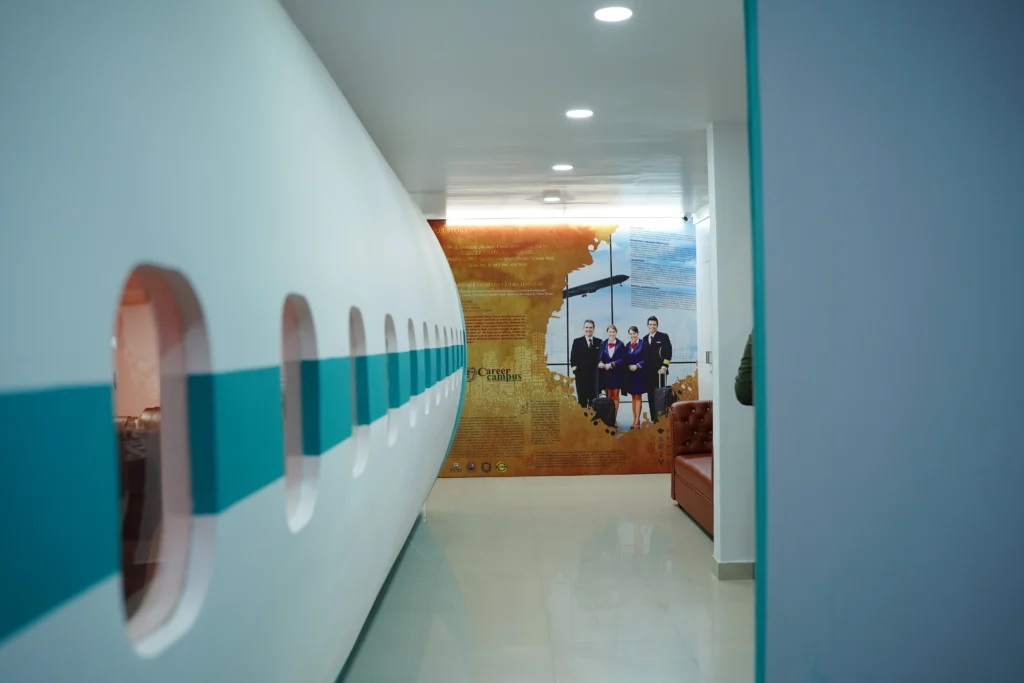
In the fast-paced world of aviation, airport operations form the backbone of global travel. From handling millions of passengers daily to ensuring seamless cargo logistics, airport professionals keep the skies running smoothly. If you’re eyeing a career in this dynamic field, Career Campus Aviation Academy stands out with its specialised airport training programs. These courses equip you with hands-on skills tailored to real-world demands, setting you apart in a competitive job market. What Makes Career Campus Airport Training Special? Career Campus Aviation Academy, based in Kerala, India, offers cutting-edge airport training specialities designed for aspiring professionals. Unlike generic aviation courses, their programs focus on practical, industry-aligned expertise. Here’s what sets them apart: These specialities blend classroom theory with simulator sessions and internships at operational airports, ensuring graduates are job-ready from day one. The Growing Importance of Specialised Airport Training India’s aviation sector is exploding, with over 200 million passengers in 2024 and projections for 300 million by 2030. Airports like Mumbai, Delhi, and Kochi need skilled talent to handle this surge. Here’s why Career Campus airport training specialities are non-negotiable: Airport roles demand precision— a single mishap in ground handling can cost airlines lakhs or compromise safety. Specialised training bridges the gap between theory and practice, reducing onboarding time for employers. Moreover, these programs emphasise soft skills like crisis management and customer empathy, crucial in high-stress environments. Graduates often secure roles at IndiGo, Air India, or international carriers, with starting salaries from ₹3-5 lakhs annually, scaling to ₹10+ lakhs with experience. Key Benefit Impact on Career Industry Certifications Boosts employability by 40-50% (per aviation job reports) Practical Simulations Builds confidence for real airport scenarios Placement Support 90%+ placement rate at Career Campus Future-Proof Skills Prepares for drone ops and sustainable aviation trends Real Success Stories from Career Campus Graduates Take Priya, a Kochi native who joined Career Campus’s airport operations course. “The ramp services training gave me an edge—I landed a ground handling role at Cochin Airport within months,” she shares. Stories like hers highlight how these specialities turn passion into profession. Why Choose Career Campus for Your Airport Training Journey? Career Campus Aviation Academy in Kerala isn’t just another training institute—it’s your launchpad to top airport careers. With a proven track record in airport training specialities, here’s why thousands choose us: With state-of-the-art facilities, expert trainers from the industry, and flexible schedules (including online hybrids), Career Campus makes aviation accessible. Enrol today to specialise in airport training and soar ahead.
Airport Management or Airline Management: Which Is Better

Are you torn between pursuing an airport management career or diving into airline management? Both paths promise exciting roles in the booming aviation industry, but which one aligns best with your skills, lifestyle, and goals? In India, where airports like Delhi and Mumbai handle millions of passengers yearly, demand for skilled professionals in airport management courses and airline management careers is skyrocketing. This guide breaks down airport management vs airline management—from job roles and salaries to daily challenges and growth prospects. Whether you’re a fresh graduate eyeing aviation diplomas or a professional switching careers, we’ll help you decide which is truly better. Airport Management vs Airline Management: Head-to-Head Comparison Wondering how airport management stacks up against airline management? This table highlights key differences to simplify your choice. Aspect Airport Management Airline Management Team Managed Ground staff/security, Vendors/airline liaisons, Large diverse teams (200+), Multi-agency coordination Pilots/cabin crew/analysts Station managers/sales teams Specialised airline staff (50-100) Single-carrier focus Job Role Duties Runway/terminal operationsSecurity/immigration coord Delays/ VIP/AAI audits 70% field ops Flight scheduling/crew rostering, Revenue optimisation/pricing, Fuel hedging/IATA compliance 60% analytics/revenue focus Salary1. Entry2. Mid3. Senior 1. 1.4-6.72. 6-93. 9-12+ 1. 4-162. 16-353. 40-50+ Career Growth Timeline Entry: Ops Officer, Mid: Terminal Mgr (3-5 yrs), Senior: Airport Director Internships key Entry: Revenue Analyst, Mid: Commercial Mgr (3-7 yrs), Senior: VP Ops (8+ yrs), MBA boosts growth Essential Skills Leadership/decision-making Crisis handling/comms Aviation regs/safety Teamwork/customer service Revenue forecasting/strategy, Financial acumen/negotiation,n IATA compliance/yield mgm,t Problem-solving/adaptability. Success Metrics On-time performance, Baggage handling accuracy, Passenger satisfaction, Safety/compliance audits On-time performance, Baggage handling accuracy, Passenger satisfaction, Safety/compliance audits 1. What Is Airport Management? Airport management oversees the entire ground operations of an airport, turning it into a smooth-running hub for flights, passengers, and cargo. Airport managers coordinate everything from runway maintenance to security protocols. They ensure compliance with DGCA regulations in India and handle crisis situations like weather delays. Key responsibilities include: Pursuing an airport management course equips you with skills in logistics, safety, and operations. Graduates often start as junior executives and progress to roles such as airport director. 2. What Is Airline Management? Airline management, on the other hand, focuses on the airline’s business side—flying planes profitably while keeping passengers happy. Airline managers optimise flight schedules, fleet maintenance, and revenue strategies. They navigate fuel costs, route planning, and international partnerships amid volatile oil prices. Core duties encompass: An airline management career demands strong business acumen. Specialised MBAs or certifications from institutes like IATA Training Academy prepare you for dynamic roles in carriers like IndiGo or Air India. Future Trends Shaping Airport and Airline Management Aviation evolves fast. Airport management trends include smart airports equipped with AI baggage tracking and the use of green energy. Airlines push sustainable aviation fuel (SAF) and digital booking. India’s 200+ new airports by 2030 mean massive opportunities. Choose airport management for infrastructure booms or airline management for tech-driven fleets.
Avoid These 5 Mistakes to Succeed in Your Cabin Crew Interview

Cracking a cabin crew interview is a dream for many aspiring aviation professionals. While it’s exciting to imagine flying across the world, the selection process demands strong communication skills, confidence, and a professional appearance. To increase your chances of success, it’s important to understand what can go wrong. Here are the five common mistakes candidates make and how to avoid them to shine during your cabin crew interview. 5 Common Mistakes to Avoid in a Cabin Crew Interview 1. Poor Grooming and Presentation First impressions matter a lot in the aviation industry. Cabin crew recruiters look for candidates who maintain proper grooming, hygiene, and dressing standards. Wearing wrinkled clothes, messy hair, or poor posture can make you appear unprofessional. Dress neatly, follow airline-specific grooming guidelines, and ensure a confident smile throughout the interview. 2. Lack of Knowledge About the Airline Many candidates forget to research the airline they are applying for. Not knowing the company’s history, destinations, or values can make you seem uninterested. Before your cabin crew interview, learn about the airline’s fleet, customer service approach, and uniform style. This shows your enthusiasm and dedication to becoming a part of the team. 3. Weak Communication Skills As a cabin crew member, you’ll interact with passengers from various backgrounds. Failing to express ideas clearly or using incorrect grammar can reduce your chances of selection. Practice speaking English fluently, maintain good eye contact, and listen carefully to the interviewer before responding. Confidence and clarity in communication can make a lasting impression. 4. Displaying Nervous Body Language Even if you prepare well, nervous gestures—like fidgeting, avoiding eye contact, or crossing arms—can make you appear uncertain. Recruiters seek calm and composed personalities who can handle passengers under pressure. Practice interview sessions in front of a mirror or with a friend to control your body language and maintain a friendly, approachable demeanour. 5. Ignoring Team Spirit and Customer Handling Skills Airlines look for team players who can work well with others during flights. Focusing only on your own achievements without mentioning teamwork or customer service experience can hurt your chances. Highlight situations where you helped passengers, resolved conflicts, or supported colleagues. Showing empathy and teamwork can set you apart from other candidates. How Cabin Crew Students Can Prepare for Interview Success If you are studying for an aviation career or are enrolled in a cabin crew training program, early preparation can give you a strong edge over the competition. Preparing in advance helps build confidence, develop a professional personality, and gain a deeper understanding of the aviation industry. Students can use various airline opportunities, such as mock interviews, grooming sessions, and internships, to continually improve themselves for a successful cabin crew interview. 1. Focus on Personality Development A cabin crew member represents the airline’s image, so personality plays a big role. Recruiters notice confidence, grooming, and how you carry yourself. How to improve: 2. Learn About the Aviation Industry Understanding the industry you want to work in shows maturity and passion. It helps you answer interview questions smartly and connect your goals with the values of the airline. How to improve: 3. Join Mock Interview Sessions Mock interviews are one of the best ways to prepare for the real cabin crew interview. They help you identify your strengths and areas that need improvement. How to improve: 4. Practice Customer Service Scenarios The cabin crew job is all about ensuring passenger satisfaction through communication, empathy, and problem-solving. Handling customers gracefully is key to success. How to improve: 5. Build a Professional Resume A professional resume is your first step in creating a good impression. It should clearly reflect your personality, skills, and training relevant to the cabin crew role. How to improve: Learn More: Conclusion Cabin crew students who take their training seriously, participate in every practical session, and utilise all available opportunities stand out during interviews. At Career Campus, every student benefits from world-class facilities, expert mentors, and hands-on experiences such as mock flight training and airport visits, ensuring they are fully prepared for the realities of the aviation industry. The campus’s blend of practical training, soft skill workshops, personality development classes, and strong placement support empowers students to grow personally and professionally. By working on grooming, communication, and confidence with guidance and placement opportunities from Career Campus, aspiring cabin crew professionals can approach their interviews with assurance and skill. Every mock interview, seminar, and internship is a stepping stone closer to your dream. With Career Campus guiding your journey, your cabin crew career can genuinely take off.
What Makes Career Campus Aviation Training Different
Ever wondered what truly sets an aviation training institute apart? Imagine a place where you learn inside real mock flights and expert mentors guide you every step. Career Campus offers all this and more in aviation, logistics, hospital administration, and hospitality courses. Ready to choose our campus that’s more than just classrooms? Let’s dive in and understand why Career Campus aviation training is different from the rest! What Makes Career Campus Aviation Training Stand Out From The Rest? 1. Spacious 10,000 Sq.Ft Campus A large, well-designed space that provides a comfortable and professional environment. Plenty of room allows for both theoretical classes and practical sessions without crowding, promoting better focus and learning. 2. Real Mock Flight Experience Hands-on training with flight simulators and mock aircraft cabins that replicate real flying conditions. This helps students practice advanced skills, learn emergency procedures safely, and build confidence before dealing with real aircraft. 3. Industry-Standard Air-Conditioned Classrooms Comfortable classrooms equipped with the latest teaching aids like projectors and smart boards. This ensures effective learning in a temperature-controlled environment ideal for long study hours. 4. Expert Mentors Trainers with real industry experience guide students through practical and updated aviation knowledge. This mentorship bridges the gap between theory and industry expectations, enhancing employability. 5. Diverse Courses Offered Multiple career paths are supported with courses in Aviation (Cabin Crew, Aviation Management, Airline Ticketing), Logistics (Supply Chain Management, Freight Handling), Hospital Administration (Healthcare Management, Medical Office Administration), and Hotel Management (Food & Beverage, Front Office, Housekeeping). 6. Dedicated Labs and Seminar Halls Separate facilities for specialised departments encourage focused skill development and group learning, fostering better training outcomes. 7. Airport Training & International Trips Real airport exposure allows students to experience daily airline operations, fostering a practical understanding. International and domestic trips expand global perspectives and networking opportunities. 8. Strong Placement Support Career Campus connects students with major airlines, airports, hospitals, logistics firms, and hotels. Through resume workshops, airline interview coaching, and soft skills sessions, they are supported to successfully enter the workforce. These facilities and benefits make Career Campus a comprehensive training ground for aviation and allied industries. The blend of practical training, expert guidance, and career focus ensures students are future-ready. Experience the Best in Aviation Training at Career Campus 1. Airport Training Career Campus provides exclusive hands-on airport training, allowing students to experience real airport operations up close. This practical exposure helps students understand ground handling, check-in processes, and customer service in a live airport environment, bridging classroom theory with real-world practice. 2. International and Domestic Trips Students participate in organised trips to major domestic and international airports and aviation hubs, gaining global industry insights. These trips help broaden their perspective, expose them to international standards, and create valuable networking opportunities with global aviation professionals. 3. Course Fees Inclusive of Grooming Kit The total course fee includes a comprehensive grooming kit for both male and female students. This kit ensures that students maintain professional appearance and etiquette, an essential part of aviation careers, especially for cabin crew and customer-facing roles. 4. Two Sets of Uniforms Provided Students receive two sets of professionally tailored uniforms included in their course fees. This ensures they have proper attire for both training and practical sessions, enhancing their confidence and professionalism. 5. Part-Time Job Facilities on Campus Career Campus supports students with part-time job opportunities within the campus or through its industry connections. This facility helps students gain practical experience, manage course expenses, and develop soft skills alongside their studies. 6. EMI Payment Option Available To make education affordable and accessible, Career Campus offers flexible EMI options for course payment. This convenience allows students to focus more on learning without financial stress. 7. Four-Hour Learning Sessions The curriculum is designed with 4-hour daily training sessions that balance depth and efficiency. This schedule allows focused learning while enabling students time for revision, practice, and personal development. 8. Life Settlement and Job Guarantee Career Campus goes beyond education by providing life settlement support and guaranteeing job placement assistance. This commitment helps students confidently transition from training to employment in reputed airlines, airports, or hospitality sectors, securing their future career paths.